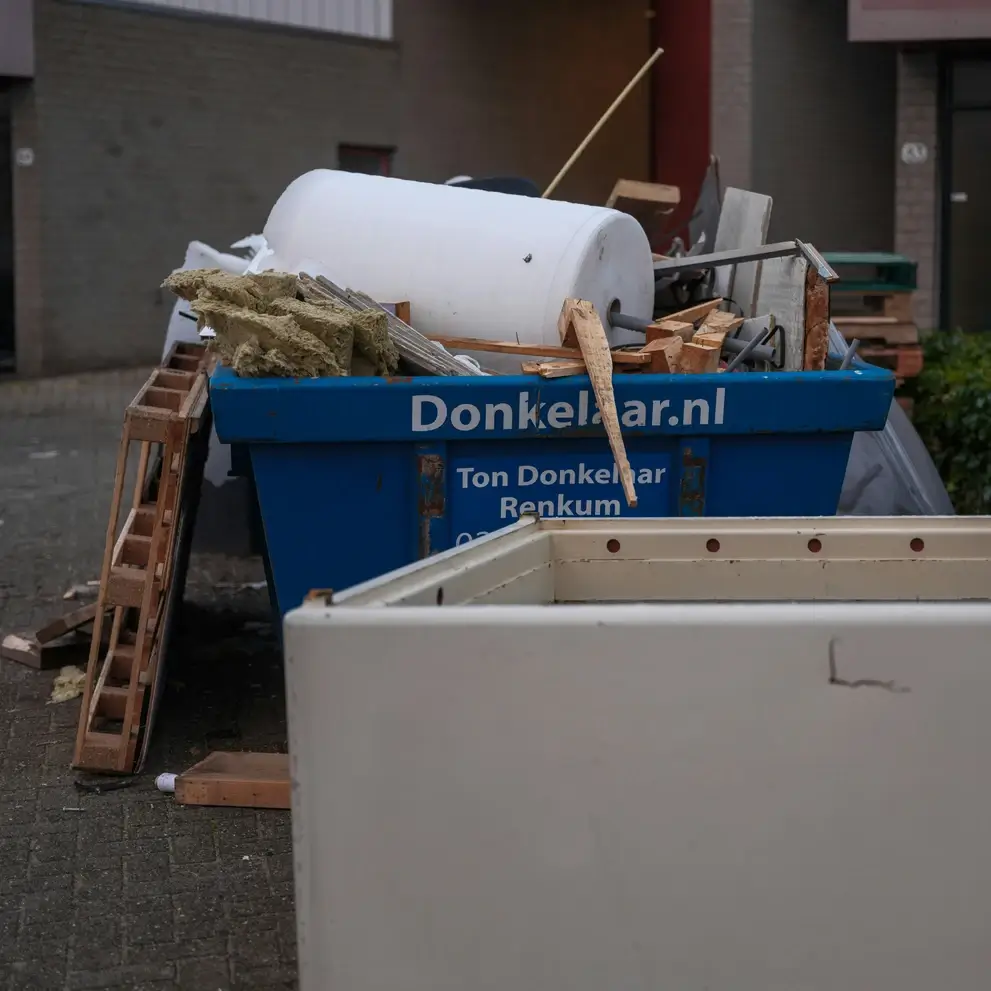
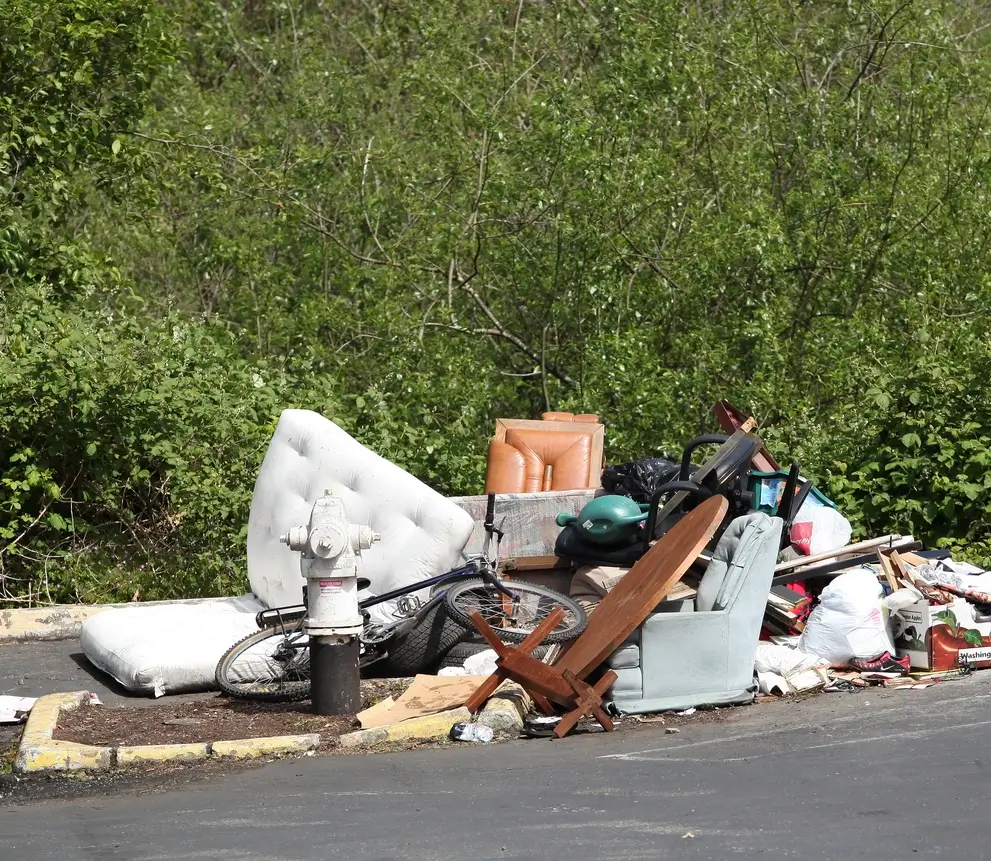
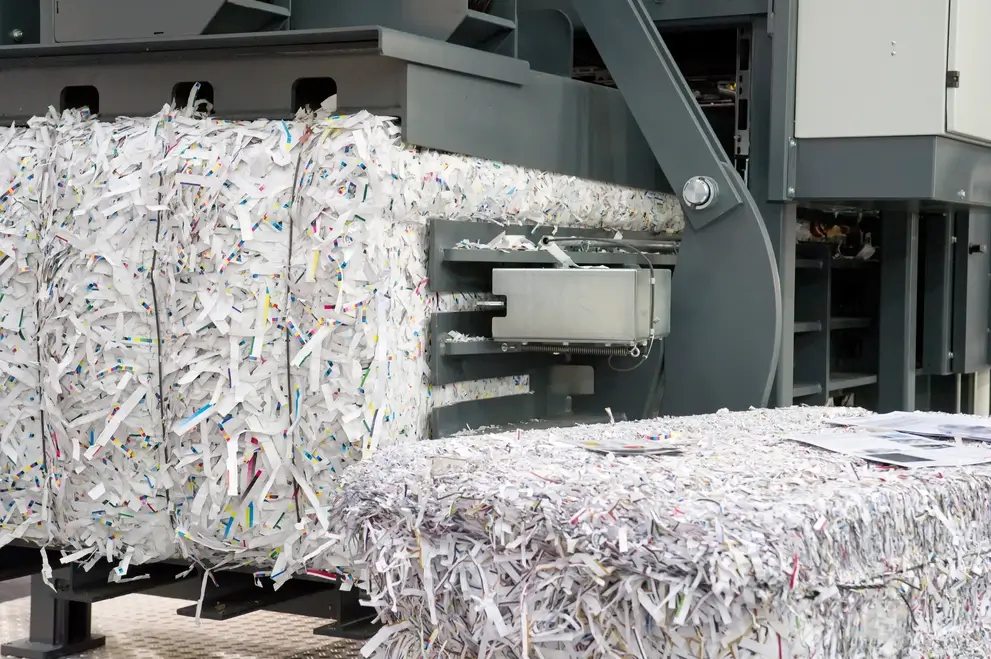
Skip Hire in Fitzrovia for straightforward waste collection

Skip hire in Fitzrovia needs to work around busy streets, mixed-use buildings and a steady flow of household, office and building waste. Our service is designed to provide a practical way to manage rubbish from refurbishments, clear-outs and routine projects without turning the collection itself into another problem to solve. We offer a clear range of skip options and related waste services so customers can choose a container or collection method that suits the space, the load and the time available.
The right choice depends on what you need to remove, where the waste is coming from and how the site can be accessed. Some jobs suit a standard skip, while others are better handled by wait and load skip hire if a permit or long roadside placement is not the best fit. We also support customers who need help with mixed waste, recyclables or heavier debris, so the service can be adapted to the material rather than forcing every job into one format.
For a simple start, gather the main waste type, the rough amount and any access details, then ask for a quote. If you already know you need a skip in Fitzrovia, we can help you compare the practical options and move from planning to collection without unnecessary delay. Tell us what you are clearing and we can guide you towards the most suitable route.
Choosing the right skip hire option
Different projects create different waste streams, so it helps to match the hire choice to the work itself. A domestic clear-out, a small office refresh and a building strip-out all produce mixed materials, but they do not always need the same solution. Our core skip hire service is intended to support sensible waste handling for jobs that need one contained collection point, and we can explain the factors that affect size, access and loading method before you commit.
If you are planning work around a property where space is limited, the collection method matters as much as the container size. For example, domestic skip hire can suit household projects, while customers dealing with heavier trade waste may prefer a more focused service. The aim is to keep the process manageable, with a clear route for disposal rather than a pile-up of bags, boards and broken fittings.
Common considerations include volume, weight, the type of waste and whether items are loose, bagged or bulky. A few practical points often shape the final arrangement:
- the approximate amount of waste to be removed
- the main material types, such as soil, timber, packaging or mixed rubbish
- whether the loading point is on private land or near a public road
- the need to separate recyclable items from general waste
- any time limits linked to the project schedule
Waste types and collection methods
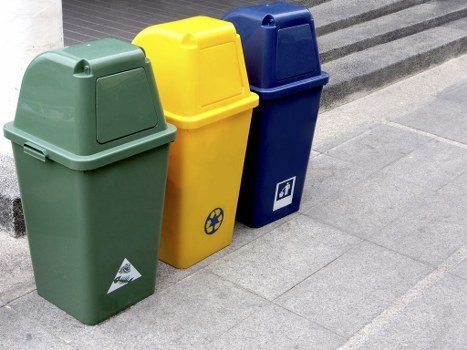
We support a range of waste removal tasks, from light household clearances to more demanding material disposal. A good match between waste type and service type helps keep loading efficient and reduces the chance of unsuitable items being mixed together. That is one reason many customers compare skip sizes, skip sizes and prices and the specific collection style before booking, especially when the waste includes a blend of ordinary rubbish and heavier debris.
Where the contents are more specialised, separate services can be a better fit. For example, builders skip hire is often chosen for renovation and construction waste, while items from clearances may be better handled through dedicated removal pages. This makes it easier to keep the job focused: the service reflects the material, and the material can be handled with a more suitable disposal route.
Handled well, waste collection is about fit as much as volume. If the load contains awkward or bulky items, or if the work involves several different waste categories, the choice of service should be based on what is actually being removed. That approach keeps things practical for the customer and avoids unnecessary over-ordering or repeated trips.
Builders waste and refurbishment clearances
Renovation and building work often generate rubble, timber, packaging, old fixtures and other mixed waste that needs removing in a controlled way. Our service can support projects where a skip is the most practical container for ongoing site waste, especially when the job produces a steady flow rather than a one-off pile. For customers comparing options, builders waste removal offers a related route when a collected load is better suited to a removal service than to a placed container.
We also support waste generated by strip-outs and demolition-style work, where material can be heavier and more varied. If your project involves broken fittings, plasterboard, wood, metal or mixed debris, the key is to choose a disposal method that fits the pace of the work. In some cases, demolition waste removal provides a more direct way to clear the site than a standard collection container.
The practical value of a dedicated building-waste service is that it keeps the work area tidier as the project progresses. It also helps customers think about loading order, segregation and access before the waste becomes difficult to move. That is especially useful when materials are heavy, dusty or awkward to stack neatly for later collection.
Domestic clear-outs, garages and household waste
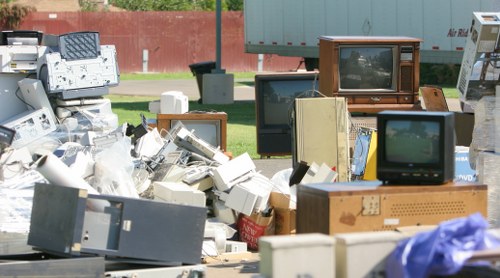
Not every customer needs a building site solution. Household projects often involve a mixture of unwanted furniture, boxes, broken items, old fixtures and general clutter that has built up over time. We can support those clearances with the same focus on practical disposal, whether the job is a room-by-room tidy, a loft emptying or a broader home refresh. House clearance is useful where items need to be gathered and removed in one organised process rather than picked through piecemeal.
Some domestic jobs also benefit from more targeted support. A garage or loft can contain long-retained items that are cumbersome, dusty or difficult to sort at pace, so a service designed around those spaces can be more efficient. Garage and loft clearance can help when you want a clear-out that handles awkward storage items as well as ordinary household rubbish.
For lighter domestic waste, skip hire remains a straightforward option because it gives you one place to load as the work unfolds. It can suit decluttering, moving preparation, post-decorating waste and the general disposal of mixed household materials. If you are unsure whether a placed skip or a removal service is better, start with the waste type and the access available, then ask for a quotation based on the actual load.
Commercial waste for offices and ongoing premises
Businesses often need waste collection that fits around staff, deliveries and limited storage space. That can mean clearing old furniture, paper archives, packaging, fixtures or general premises waste without disrupting daily operations. Our service can be arranged with that type of setting in mind, and when office contents need to be removed in a more structured way, office clearance is a relevant option for a focused commercial clear-out.
Some organisations need a recurring or project-based solution for larger quantities of waste. A commercial skip hire page is useful where the worksite, premises or fit-out project needs a container for mixed business waste. The aim is to keep rubbish contained and manageable while the site remains active, whether the job involves a short-term refurb or a wider commercial tidy-up.
Business customers often want the service to be simple to plan, with clear loading rules and a sensible disposal route for the materials involved. That is why it helps to identify whether the waste is mostly paper, furniture, packaging or mixed interior strip-out material. The more clearly the load is described, the easier it is to select a service that avoids wasted time and unnecessary handling.
Garden, site and outdoor waste

Outdoor projects create a different kind of load from indoor clear-outs. Soil, branches, turf, hedge cuttings and broken landscaping materials can be bulky, muddy and awkward to move, so the disposal method needs to suit the work under way. Our service can support garden refreshes and broader exterior tidy-ups, and when the job is mainly green waste, garden waste removal gives a more specific route for organic and landscaping debris.
For larger outdoor schemes, the focus may shift from simple waste collection to clearing the whole working area. That is where a related service such as site clearance can be appropriate, especially if the job involves mixed outdoor waste, light demolition debris or material left over after groundwork. The service choice should reflect the scale of the task and whether the waste is being accumulated gradually or removed in one coordinated operation.
When planning an outside project, it is sensible to think about what can be stacked, what needs cutting down and whether the waste will be mixed with soil or rubble. Sorting at source can make loading easier and often improves the overall efficiency of the disposal process. It also helps keep recyclable and non-recyclable materials separate where that is practical.
Specialist disposal and alternative collection methods
Some loads need a more specific route than standard mixed waste handling. That may be because the items are bulky, heavy, fragile or subject to separate disposal requirements. In those cases, dedicated pages such as fridge and appliance removal and mattress and sofa disposal are helpful alternatives when the waste is made up of individual large items rather than general rubbish.
There are also situations where a different collection style works better than a placed container. Grab hire services can suit larger or loose waste piles, while grab lorry hire may be considered where access and loading conditions favour mechanical collection. These options are not for every job, but they can be useful where the material is difficult to wheel, bag or stack neatly.
Where items need more careful handling, the disposal route should be chosen with the load in mind rather than the other way round. That keeps the process practical and reduces the risk of unsuitable waste being placed into a general container. It also helps customers compare the type of service against the amount of manual sorting they are prepared to do beforehand.
About Fitzrovia
Fitzrovia sits in central London, spanning parts of the City of Westminster and the London Borough of Camden. The area developed from fields and estates on the edge of the old urban core before becoming more densely built in the 18th and 19th centuries. Its street pattern is a blend of older lanes and later grid-like routes, with many buildings reflecting Georgian and Victorian phases of development. The neighbourhood takes its name from the Fitzroy Tavern, a well-known public house on Charlotte Street, and the surrounding streets became associated with artists, writers and journalists during the 20th century. That cultural reputation still shapes how the area is described today, even as it functions as a busy mixed residential, commercial and institutional district. The local built environment includes mansion blocks, terrace houses, office buildings and a range of smaller commercial premises, giving the area a varied streetscape rather than a single uniform character. Charlotte Street, Warren Street and Tottenham Court Road are among the best-known nearby routes, while Regent’s Park lies to the north and Soho to the south. The district also sits within easy reach of significant West End institutions, including university buildings, hospitals and media offices. Architectural interest is part of Fitzrovia’s identity, with many surviving façades and conversions showing how the area has adapted over time. Its central position, strong transport links and layered history make it one of London’s more distinctive inner districts, combining everyday activity with traces of its bohemian past.
Because the area developed through multiple building phases, it contains a mix of narrow streets, larger thoroughfares and pockets of quieter residential fabric. That combination has helped preserve a sense of variety: restaurants and shops sit beside offices, studios and housing, and the pace can shift noticeably from one street to another. Fitzrovia’s identity is therefore shaped not only by its famous cultural associations, but also by the everyday overlap of work, living and leisure spaces that continues to define central London neighbourhoods.
Loading, access and quote preparation
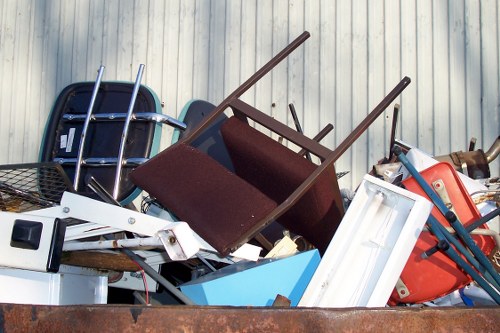
Before a skip or collection is arranged, it helps to think through access, loading space and the kind of waste that will actually be placed inside. Narrow roads, basement clear-outs and upper-floor projects may all affect the best approach. If you can describe the waste clearly and note any restrictions on parking or access, it becomes easier to prepare an accurate quotation and avoid last-minute changes. That is also the point at which related services such as rubbish removal or man and van can be compared where they are more suitable than a skip.
For some customers, the most important step is simply deciding how the load will be handled from start to finish. If the waste is going to be packed gradually over several days, a container can be convenient. If the material is already gathered and ready to move, a direct removal option may be enough. Either way, keep the description plain and specific: what the waste is, how much there is and whether it includes heavy or awkward items.
Request a quotation if you are ready to compare the practical options for your waste. We can help you choose a service that suits the load, the access and the timescale, and keep the process focused on the removal itself. If you are still planning the job, you can start with a short outline and build from there.
Supported disposal choices and responsible handling
Many customers want reassurance that the disposal route is sensible as well as convenient. That is why it helps to consider whether the waste can be recycled, whether it includes items requiring special handling and whether a single collection or an ongoing arrangement is more appropriate. Services such as waste recycling services and recycling and sustainability can sit alongside the main hire choice when the contents contain recoverable materials.
Where the load includes items that are not suitable for ordinary mixed disposal, it is better to identify that early. Some categories need separate treatment, and choosing the right route from the outset helps prevent complications later. For practical planning, the most useful question is often not simply “what can go in?â€, but rather “what is the load made of, and how should it be handled?â€.
Use the main service to solve the waste problem that is actually in front of you. Whether that means a standard skip, a more direct collection or a specialised removal service, the best fit is the one that keeps the waste moving without creating extra sorting work. Ask for a quote once the waste type is clear, and you can compare the available choices on a like-for-like basis.